

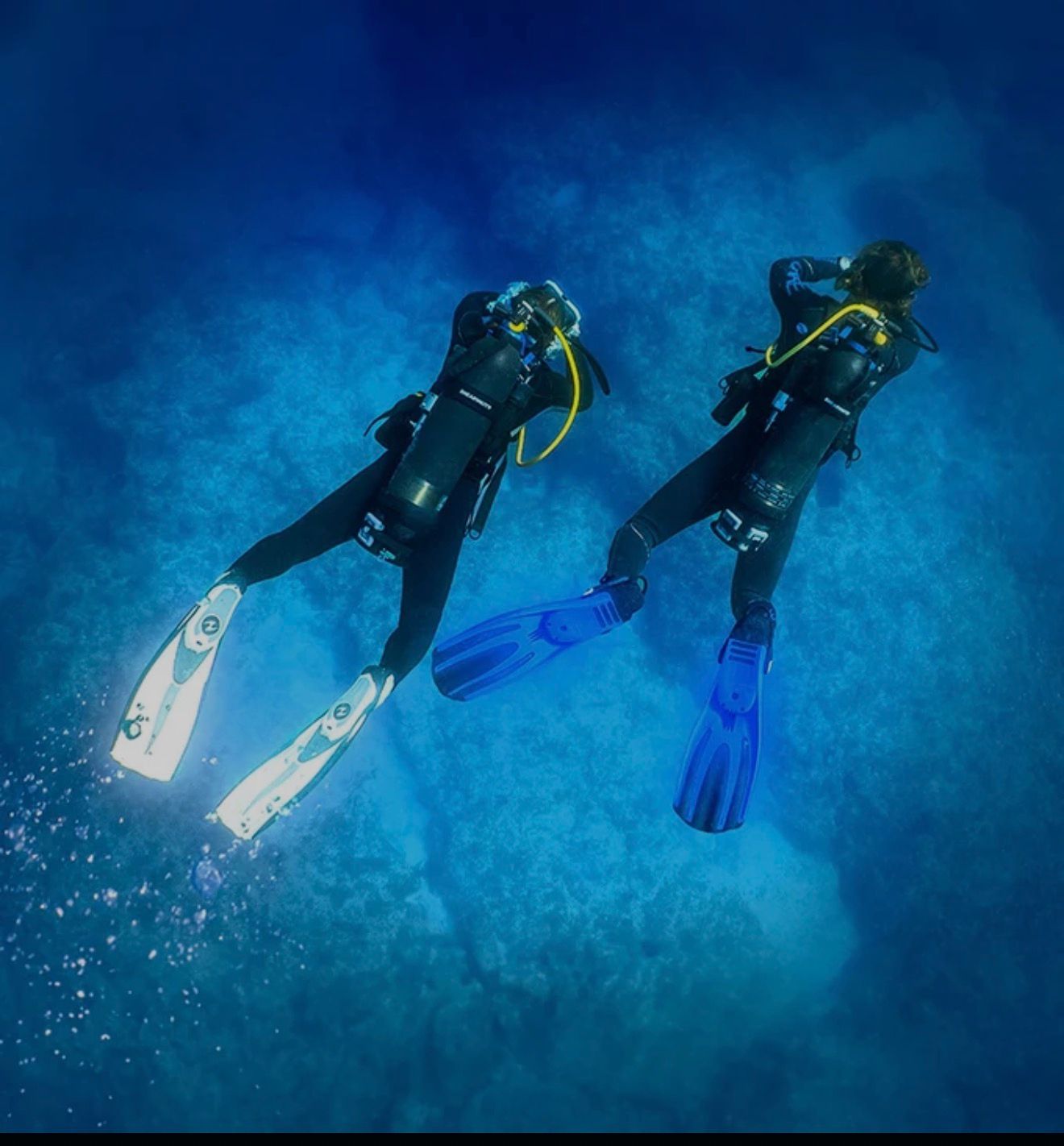


Shore Dive Bonaire at Your Own Pace
 Connecticut
- Self-guided shore diving along Bonaire's protected marine park coastline
- Dedicated truck and loaded tanks enable diving on any schedule
- Reefs, sea turtles, and dramatic drop-offs near marked entries
Trip Pricing and Availabilities:
Shore Dive Bonaire at Your Own Pace
Forget the boat schedule, the crowded deck, and the guy yelling "last call for the 8:15 departure." On Bonaire, the best diving starts where the road ends, and you hold the keys. This self-guided shore diving trip from Elite Scuba and Travel puts you in a truck loaded with tanks and sends you out along the coast to dive one of the most renowned marine parks on the planet. Two divers, one truck, and as many dives as your air and curiosity allow.
Trip Overview
Bonaire has been the gold standard for shore diving for decades, and for good reason. The entire island is ringed by a protected marine park, and the reef starts just a few kick cycles from the water's edge. No long boat rides, no waiting on anyone else's surface interval. You pull up to a yellow-painted rock marking a dive site, park the truck, gear up in the shade, and walk in. That's it. The whole island becomes your dive menu.
Your rental comes with a dedicated truck and tanks, which is the backbone of the Bonaire shore diving lifestyle. The truck is your base camp. Load your BCD, fins, and camera, grab a cooler of water (meals aren't included, so pack snacks or pick up lunch in Kralendijk), and cruise the coastal road with the windows down. Some days you'll knock out three dives before lunch. Other days you'll do one long, slow dive and spend the rest of the afternoon staring at the water from a beach chair. Both are valid, and both are very Bonaire.
This trip is built for two guests, which keeps things relaxed and flexible. You and your dive buddy set the pace, pick the sites, and decide whether you want first light or golden hour. It's a customer favorite for couples, friends, and seasoned divers who've been dreaming about the famous "Diver's Paradise" license plate for years.
Dive Brief & Gear Info
Here's how a typical day works. You'll start by loading your tanks into the truck bed, checking your gear, and picking a site from the marine park map. Most entries are simple: a small beach, a rocky ironshore step-in, or a gentle ramp. Walk in, check your gauges, descend, and you're on the reef. The water is warm year-round, usually hovering in the low to mid 80s Fahrenheit, so most divers get by with a shorty or a thin skin. Many just wear a rash guard and shorts.
The terrain underwater is a big part of the magic. Bonaire's reefs follow a classic fringing pattern: a shallow terrace, then a dramatic drop-off, then a steep wall sliding down into the blue. Most of the action happens between 20 and 80 feet, which means long bottom times, easy no-deco profiles, and plenty of light for photography. Visibility regularly stretches past 80 feet, and on calm days it feels like you're flying over a living city of coral.
Since you're diving from shore, a few habits will serve you well. Always check the surf at the entry before you suit up. Know your exit point before you go down, and note the landmark you'll surface near. Bring a surface marker buoy or dive flag if your site calls for it, and keep a compass handy. Most dives on the island are "out and back" along the reef, so a good rule is to turn around at the half-tank mark, then drift home with the current on your side. Tank pressure is your clock, and shore diving rewards patience.
Pack reef-safe sunscreen only, since the marine park rules are serious here. Mind your buoyancy, don't touch the coral, and don't chase wildlife. The reefs are healthy because people respect them, and the rangers and local operators keep it that way. Also worth knowing: you'll get the best light and the thinnest crowds if you hit the water early. Dawn dives on the leeward side are quiet, glassy, and full of activity as the reef wakes up. Late afternoon is a close second, when the sun angles low and everything glows.
A few terrain highlights to put on your list: the shallow reef flats near Kralend