



Get Your PADI Open Water Certification
 Connecticut
- Combines eLearning, four pool sessions, and four open-water dives
- Develops buoyancy control, dive planning, and safety skills under PADI instruction
- Certifies divers to 60 feet with a buddy, worldwide
Trip Pricing and Availabilities:
Get Your PADI Open Water Certification
Every diver you've ever envied, the one gliding past a reef wall like they were born with gills, started exactly where you're standing right now: a first breath underwater and a head full of questions. The PADI Open Water Diver course is the world's most recognized entry-level scuba certification, and it's the card that gets you into dive shops, onto boats, and down to the good stuff on nearly every coastline on the planet. With Elite Scuba and Travel, you'll learn from a qualified PADI instructor who's more interested in making you a confident, relaxed diver than in rushing you through a checklist.
Trip Overview
Here's how the course shakes out. It's built in three parts, and each one stacks on the last. First comes the eLearning, which you knock out on your own time from your couch, a coffee shop, or wherever you've got decent Wi-Fi. You'll cover the basics of how pressure affects your body, how to plan a dive, how your gear works, and what to do when things don't go to plan. Nobody expects you to memorize a physics textbook. It's practical stuff, and your instructor will walk through anything that doesn't click.
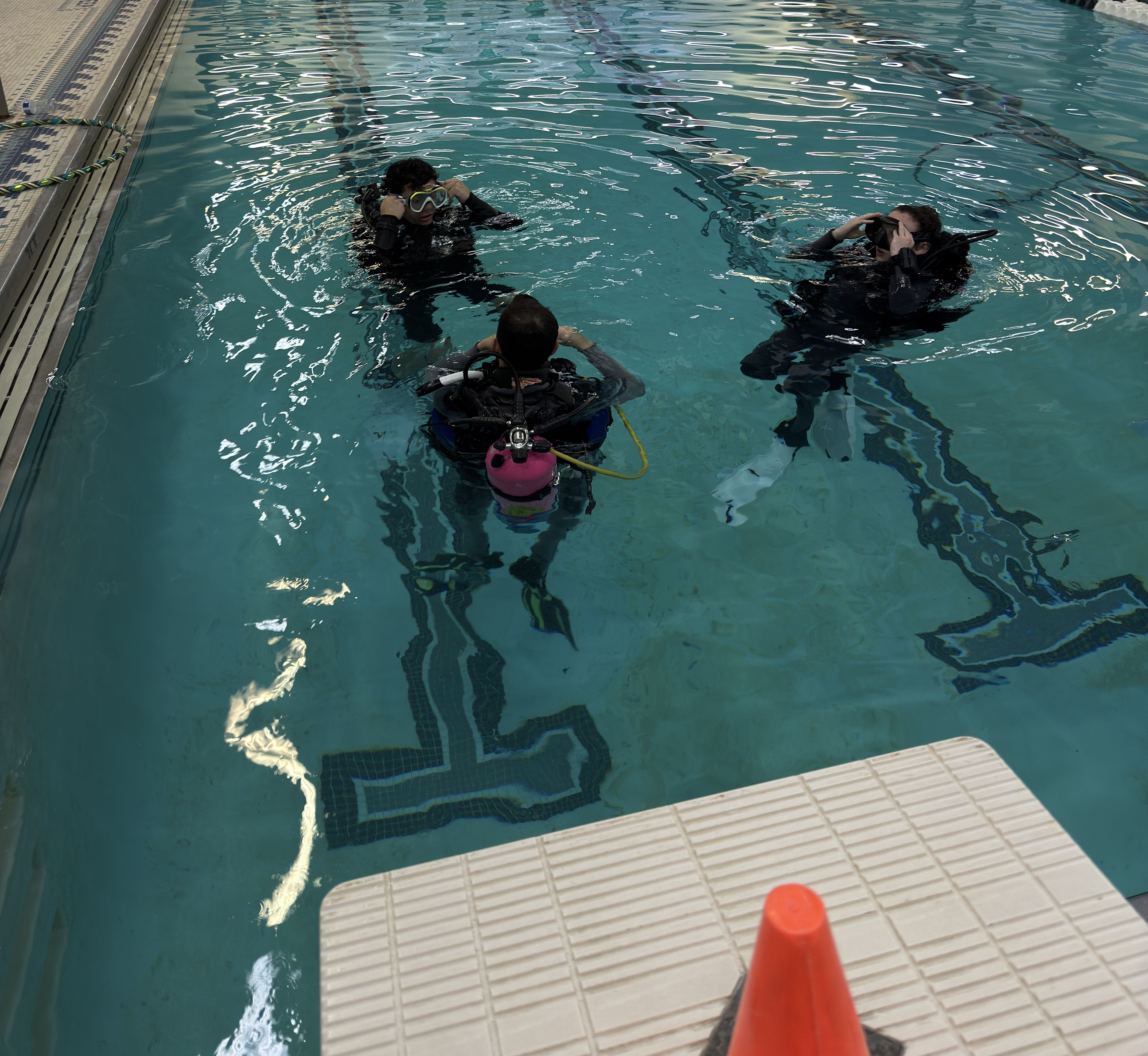
Next up are four pool training sessions. This is where the real fun starts, because you get to breathe underwater in a controlled setting where the visibility is perfect and nobody's rocking in a swell. You'll set up your gear, practice clearing water from your mask, recover a lost regulator, and start dialing in your buoyancy. Pool time is where most students have their first big "oh, I'm actually doing this" moment. Take your time with it. Skills that feel awkward on day one feel automatic by the end.
Finally, you finish with four open-water dives, which is where the card gets earned. You'll repeat many of your pool skills in a natural environment, then spend the rest of each dive just being a diver: looking around, working on your trim, and soaking up what's below. Once you're certified, you're qualified to dive to a maximum depth of 60 feet (18 meters) with a certified buddy, subject to conditions and your training.
One thing worth knowing up front: the course is flexible. Complete your training locally, or knock out your open-water dives on one of our dive trips and get certified somewhere that makes the stamp in your logbook that much sweeter. Plenty of our students pair the two, doing the knowledge work and pool sessions at home, then finishing up with reef dives somewhere warm. It's a customer favorite for good reason, since you leave with a certification and a story at the same time.
This trip is set up for one guest, which means your instructor's attention is on you. You can ask the dumb questions (there aren't any), repeat a skill until it feels right, and move at the pace that suits you. No meals are included, so plan to bring a snack and plenty of water, especially on the days you're in and out of the pool.
Dive Brief & Gear Info
Let's talk about what you'll be wearing, carrying, and learning to love. Your core kit is what divers call "the system": a mask, fins, snorkel, a BCD (buoyancy control device), a regulator with an alternate air source, a dive computer or gauges, a tank, and an exposure suit suited to the water temperature. Your instructor will fit you for everything, and a well-fitted mask is worth its weight in gold. If yours leaks or fogs, you'll spend the whole dive fighting it instead of enjoying the view. Speak up if something feels off. Fixing a fit issue takes thirty seconds, and ignoring it can wreck a dive.
Buoyancy is the skill that separates the smooth divers from the flailing ones, and it's the heart of this course. Your BCD and your lungs work together like a pair of dials. A little air in the BCD gets you hovering, and slow, deliberate breaths let you rise and sink a foot or two without touching a button. Divers who nail this early save air, protect the reef, and look like they're floating in zero gravity. You'll practice it in the pool until the feeling clicks, then refine it in open water where real conditions make you earn it.
You'll also pick up the